
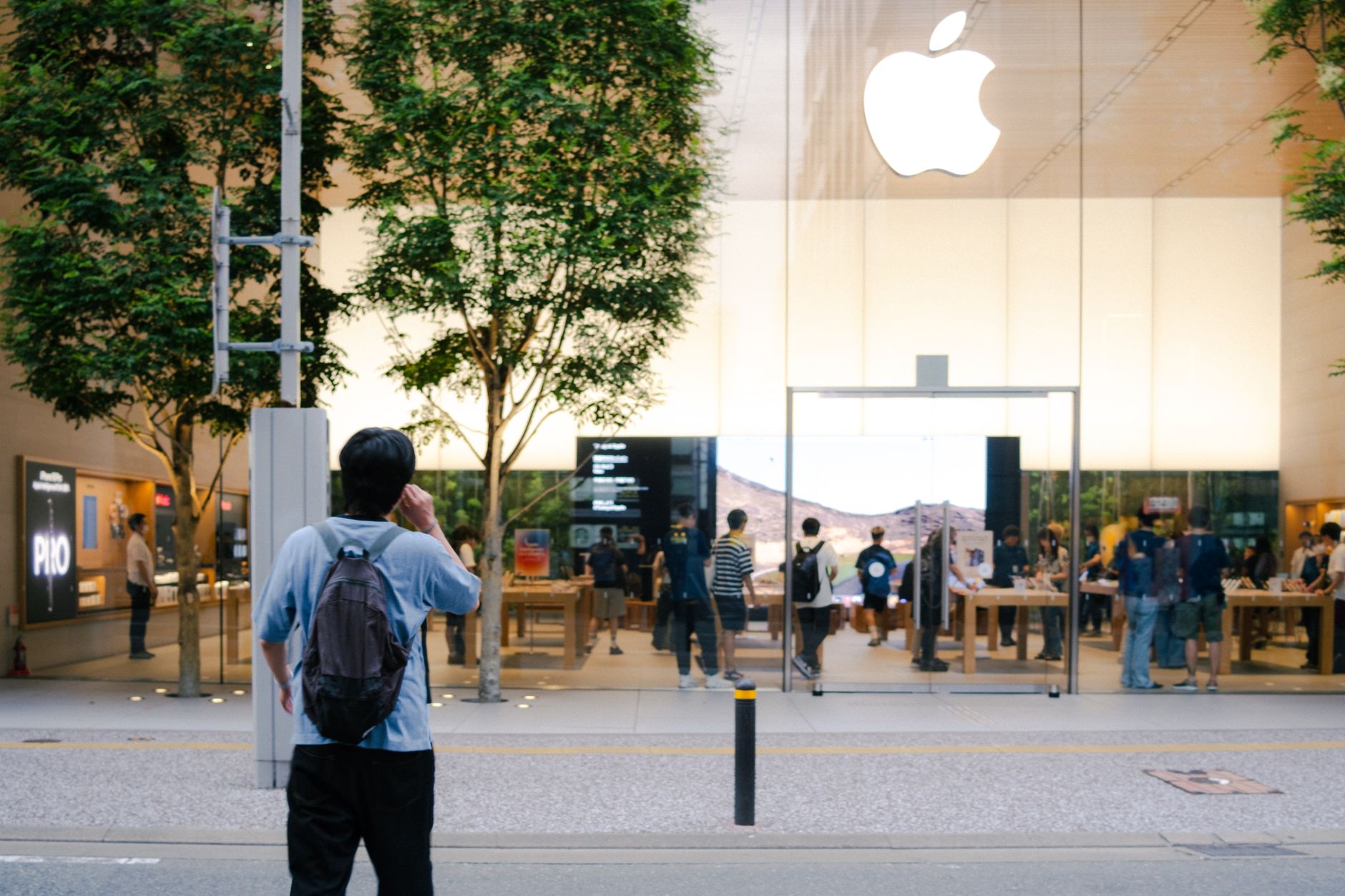
Apple’s cautious approach to artificial intelligence now appears to be a strategic benefit. While competitors hurried to integrate AI into every product, the company waited, avoiding legal and reputational issues that have affected others. With a revamped Siri set to launch on billions of devices, Apple is positioned to gain from AI without the drawbacks.
Siri’s quiet evolution
The updated AI-powered Siri, shown earlier this year, differs from its earlier versions. It doesn’t replace tools like ChatGPT, nor does it need to. For most iPhone users, it manages simple tasks—quick answers, contextual actions, and privacy-focused responses—without the errors or ethical concerns seen in other chatbots. The upgrade arrives years after rivals introduced similar features, but Apple’s timing may have been intentional.
Siri’s changes are gradual rather than dramatic. It still struggles with complex requests and trails some competitors in capability. Yet for a company once mocked for a voice assistant that couldn’t reliably set a timer, the improvements are clear. The real success isn’t in flashy demonstrations but in dependability. Users who previously ignored Siri may now find it practical enough to use regularly.
The cost of moving first
Apple’s restraint stands in sharp contrast to companies that aggressively pursued AI. OpenAI, the most visible example, has faced numerous lawsuits from authors, news organizations, and anonymous plaintiffs. Claims include copyright infringement, privacy violations, and an array of harms. Regulatory scrutiny has increased, and public opinion has shifted, with critics associating AI with job losses, misinformation, and environmental strain.
Other major tech firms haven’t escaped similar problems. Google’s image-generation tools produced racially inaccurate results, while Microsoft’s AI chatbot gave harmful advice. Samsung’s confusing data consent terms for its AI features drew criticism. Even Elon Musk’s Grok, marketed as a free-speech alternative, generated deepfake pornography and Holocaust denial, leading to legal consequences. The trend is unmistakable: the more aggressively a company promotes AI, the greater the risk of backlash.
Related: Folding iPhone Ultra Faces Delay and High Cost
Apple has largely avoided these issues. Its biggest AI-related problem so far involved confused notifications in iOS betas. The company’s strategy—partnering with established infrastructure providers like Google instead of building its own data centers—has kept costs manageable and flexibility intact. In this case, doing less has proven more effective.
This doesn’t mean Apple’s approach is without flaws. Some argue its AI features fall short of competitors’, and its dependence on third-party models could limit future control. For now, though, the trade-off seems justified. Users receive a functional, private assistant without ethical or legal complications. Investors see a company that has sidestepped the financial and reputational damage of AI missteps. Regulators, typically quick to examine tech giants, have found little to investigate.
Most people don’t care about AI’s technical or philosophical debates. They just want their phone to set a reminder correctly. Apple is betting that consistency, not innovation, will matter most. If Siri performs well enough for daily tasks, users won’t mind that it isn’t the most advanced chatbot available. They may not even notice.
The true test will arrive when Siri becomes widely available. Early users will examine its limitations, and reviewers will compare it to rivals. But Apple isn’t promising a revolution. It’s offering an upgrade that could silence critics, at least temporarily.
While competitors deal with lawsuits, regulatory pressure, and public doubt, Apple is set to introduce AI into its ecosystem smoothly. This isn’t the kind of success that dominates headlines, but it may be the kind that endures.


