
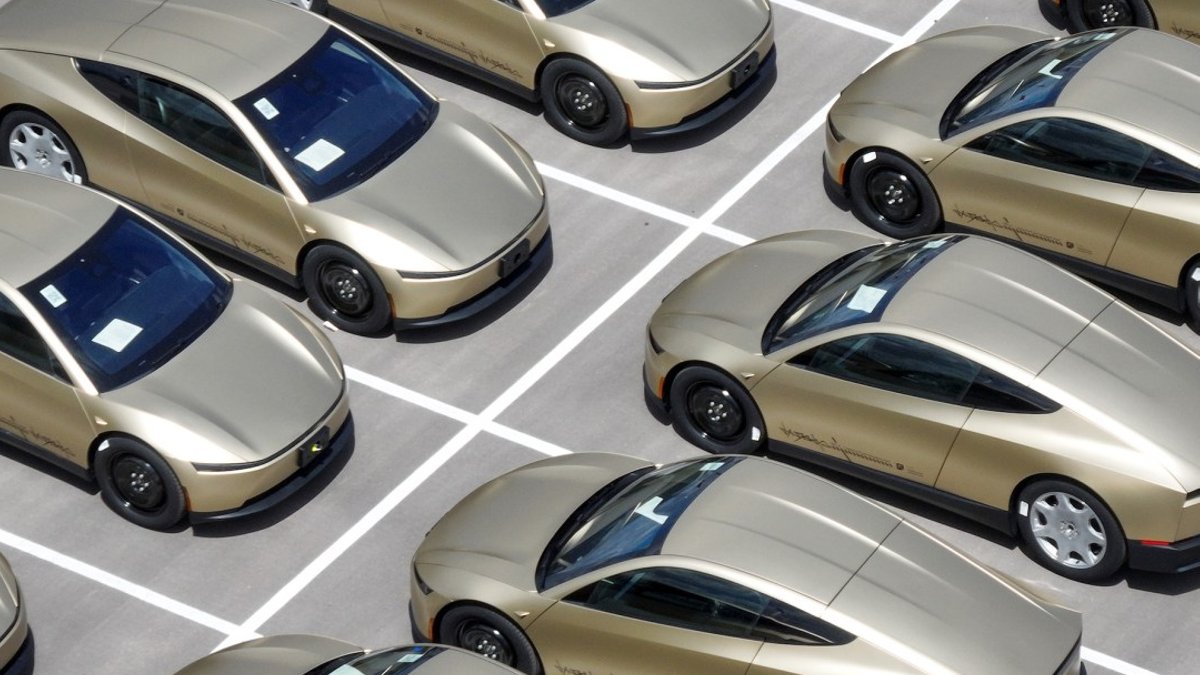
Tesla is committing €3 billion to expand its Berlin factory, a move designed to support mass production of the Cybercab autonomous vehicle. The company announced plans to begin building the two-seat, wheel-less cars at the Grünheide site in 2029, with construction expected to start in the first half of 2027. André Thierig, Tesla’s senior director of manufacturing for the site, stated that the new facility will be capable of producing up to 1 million vehicles per year and will become the most technologically advanced of all Tesla factories.
A Shift in Strategy
Tesla has directed more resources toward the Cybercab project, signaling a pivot toward an AI and robotics company rather than just an automaker. The company has already announced it will cease production of the Cybertruck next year to make room for Cybercab manufacturing at its Austin factory. Musk views the future of driving as fully automated, a perspective that contrasts with the current demand for the Model 3 and Model Y despite flagging U.S. sales figures. The company delivered more than 486,000 vehicles in the third quarter, a slight increase from the second quarter, while European sales continue to rise as EV adoption increases.
Musk has been focused on pushing the company toward fully automated driving systems that do not require a human driver to pay attention, unlike the company’s current Full Self-Driving (Supervised) system. The steering wheel-free Cybercab, first revealed in 2024 and launched publicly in September, is the centerpiece of this plan. The vehicle lacks traditional motor vehicle equipment, though federal safety standards require some of these items. Federal regulators are currently investigating Tesla’s self-certification of the vehicle.
Read Also: Email Encryption Gains Traction Amid Privacy Concerns
Technology and Deployment
Tesla’s approach to self-driving systems relies solely on cameras to mimic human vision, unlike competitors such as Waymo that use additional sensors like lidar. Camera data can struggle to interpret situations without sufficient training, a challenge that may be addressed as the system matures. Tesla has taken a slow approach to the Cybercab rollout, restricting the vehicles from driving late at night, though they haven’t had any major incidents in the two months they have been operating.
The track record appears to have given Tesla confidence to commit significant resources to expanding Cybercab production and availability. Tesla has about 1,307 robotaxis registered in Texas, with most being modified Model Y vehicles used in robotaxi services across several cities. The number of Cybercabs is growing, with approximately 573 on roads in Austin and soon Dallas. Europe is firmly on the roadmap as well, with the Berlin expansion serving as the primary infrastructure for this expansion.


