
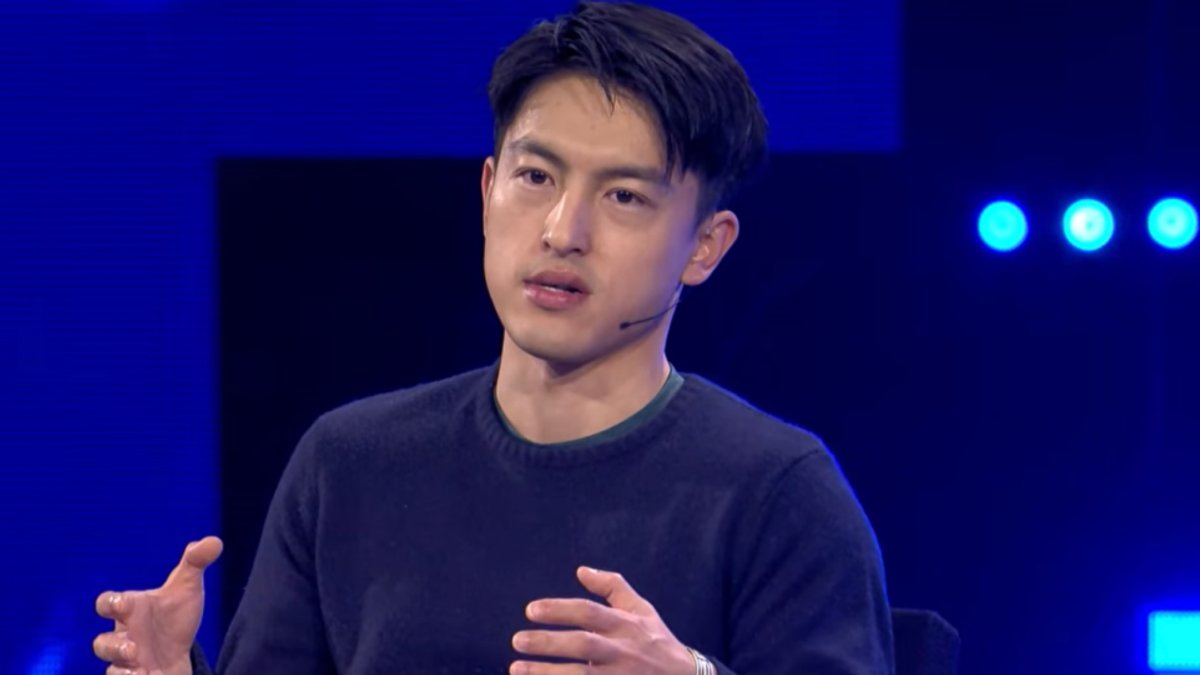
On the day of Anthropic’s record-breaking IPO, the Slush startup conference in Helsinki focused on open source opportunities, with companies like Fireworks AI seeking to help enterprises avoid high costs for AI needs. Fireworks AI runs AI models for other businesses, specializing in open-weight models that can be downloaded and tuned for faster and cheaper performance.
Co-founder Chenyu Zhao believes companies are gravitating towards platforms like Fireworks because frontier models are pricey and often unnecessary, unless the latest and greatest generalized intelligence is required. There are also concerns that frontier labs absorb too much of their customers’ know-how, a worry raised by Microsoft CEO Satya Nadella in July.
Security Incidents and Customer Response
Fireworks has recently disclosed two security incidents, including a breach where hackers reached API keys and tokens, and another where attackers breached its cloud provider and accessed customer data. Notion, a customer of Fireworks, has disconnected from the platform after AI chat transcripts from fewer than 1% of its workspaces were exposed.
Uber also reported that hackers stole the names, addresses, birth dates, and driver’s license numbers of about 150,000 drivers through a vendor identified as Fireworks. Fireworks will need to regain the confidence of customers like Notion and Uber, and is reportedly in early talks for another funding round, despite being assigned a $17.5 billion valuation by its investors in the summer.
Other companies in the category, such as Together AI and Baseten, have also announced significant funding rounds in recent months. On Wednesday, Palo Alto Networks announced it would buy Applied Compute, a startup that helps companies train and run custom AI models on their own data, for $4.5 billion in stock.
According to Zhao, Fireworks is a specialized intelligence platform that uses open models, which are often smaller, cheaper, and faster, and allows companies to add their own data to specialize them. This approach enables companies to own their AI rather than relying on giant AI conglomerates, and can be a more cost-effective solution for businesses with large user bases.
When asked about the gap between open models and frontier models, Zhao stated that it is now at most six months, probably closer to three, thanks to the development of models like DeepSeek. However, businesses have been slow to switch to open models, partly due to the brand recognition and low risk associated with using frontier models, especially for smaller companies or those in the early stages of product development.
As Fireworks moves forward, it will need to address the security concerns and regain customer trust, while also competing with other companies in the category.
Fireworks’ security breaches have raised concerns about the company’s zero-data retention promise, and Zhao has explained that the exposed customer data was related to batch prediction services, which are not zero-retention by nature.
Fireworks AI is working to move its batch prediction services to an online flow, which will minimize data retention and reduce the risk of similar security incidents in the future. This change is expected to help the company regain the trust of its customers, including Notion, which has already disconnected from the platform.
Future Developments and Partnerships
Despite the challenges it is facing, Fireworks AI remains committed to its mission of providing open-source AI solutions to enterprises. The company is expected to continue innovating and improving its services, including its open-weight models and customized AI solutions. Fireworks AI is also likely to form new partnerships and collaborations with other companies in the industry, including Nvidia, which has been a strong supporter of open source and has backed Fireworks since 2024.
Fireworks AI’s co-founder, Chenyu Zhao, has stated that the company will live in a two-model world, with frontier and open models in parallel. This approach will allow companies to use the best intelligence for high-level planning, while also using open models for basic arithmetic and other tasks.


