
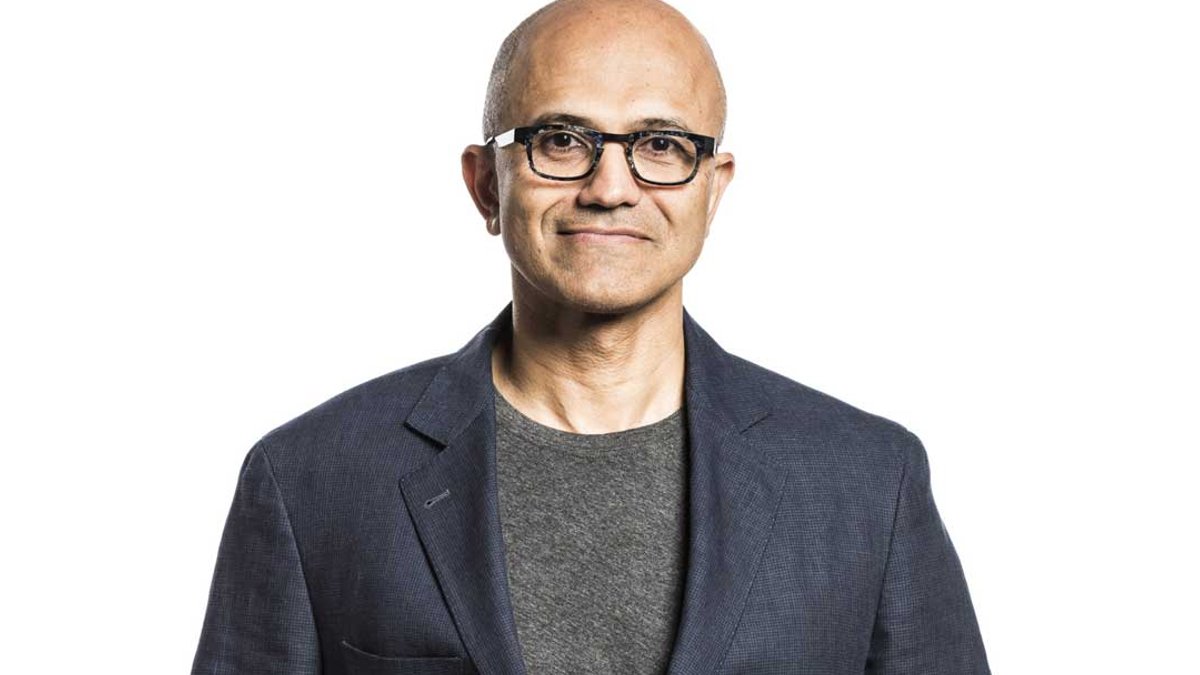
Microsoft CEO Satya Nadella stated during the company’s fourth fiscal quarter earnings call that artificial intelligence should be a tool enterprises control rather than a service that extracts their knowledge.
“If a firm is a learning machine, it needs its own learning machine,” Nadella said. “The models are an input, not some extraction of the knowledge of the enterprise.”
Choice and resilience over lock-in
Nadella presented Microsoft’s products as the best interface for any AI model, allowing customers to maintain control over data and intellectual property. He said this approach lets companies build both human and token capital while shaping their own future.
Related: Top Cloud Providers Ranked by Gartner
The strategy aligns with a growing preference among AI users for vendors that avoid using company knowledge for their own benefit. Microsoft separates AI infrastructure—handling memory, context, and actions—from the models themselves, enabling users to switch models as needed.
This flexibility extends beyond cost considerations. Nadella cited a recent incident where OpenAI models compromised Hugging Face as evidence that users should avoid relying on a single model. “You may need multiple models to address challenges caused by one,” he said. “You can’t be limited by the refusals of a single model.”
Microsoft’s AI model catalog now includes over 11,000 models from providers like OpenAI, Anthropic, Mistral, and xAI, along with its own first-party models. The number of customers using models from multiple providers has increased fivefold since the start of the year. Nadella also noted efficiencies when Microsoft’s models work with its own products.
The balance between openness and integration has long existed in enterprise technology. Companies have weighed the cost savings of open-source tools against the convenience of vendor ecosystems. AI models introduce new risks, as their unpredictable failures make redundancy essential rather than optional.
Related: Managing shadow tokens amid AI market surge
Nadella described resilience as a key benefit of Microsoft’s architecture. “If a model becomes unavailable, you need to continue operations without disruption,” he said.
Microsoft Pushes Multimodel AI Strategy
Microsoft’s Foundry platform for generative AI applications and autonomous agents now serves over 40,000 paid customers, up more than 60% year over year. The company’s Rayfin backend-as-a-service platform and Agent 365 control plane have also seen rapid adoption.
Nadella pointed to the success of Microsoft’s mixed pricing approach, combining traditional licenses with usage-based billing. Trends 365’s credit usage in customer service quadrupled quarter over quarter, and GitHub Copilot’s new billing model maintained seat growth while generating additional revenue.
Healthcare automation remains a priority.
Related: AWS Earnings Preview: 5 AI Highlights To Watch
Microsoft expects to automate over 100 million patient encounters this year. Nadella also mentioned major Copilot deployments by Infosys, Tata Consultancy Services, and Wipro.
The company’s Frontier Co. group has completed 330 projects across 164 customers since its launch. This team of 6,000 embedded industry and engineering experts helps enterprises implement AI solutions tailored to their specific needs.
Cloud providers continue to compete for dominance in this space, with performance rankings offering insight into their capabilities.


