
Four founders of South African payments startup Yoco spent a year in 2016 persuading Mercantile Bank—now Capitec Bank, South Africa’s largest commercial bank by customers—to partner with them. Once the bank agreed, the investor who had pledged funding withdrew. However, the angel investors remained committed, increasing their investment.
According to the report, Yoco’s early struggles highlight the challenges fintech startups faced in securing banking partnerships before processing a single transaction. The company eventually launched in 2017, targeting informal businesses with card payment solutions. Today, Yoco is valued at over $1 billion, but its path to growth required managing complex financial infrastructure.
The story of Yoco is among more than 200 African startups founded in 2016 that have returned to investors since. Together, these companies raised approximately $1.89 billion, according to the data. However, the returns for most investors have been limited. Only two Johannesburg-based software firms disclosed exits of under $10 million each, while the majority produced little liquidity or venture-scale returns.
African Startups Struggle to Deliver Returns to Investors
One investor who backed multiple 2016 startups said the lack of liquidity has strained relationships with limited partners.
Despite these challenges, some companies have found success. The firm’s CEO cited strategic partnerships and local market knowledge as critical to its growth.
Yet the broader trend remains cautious. Most transactions occurred in sectors like fintech, e-commerce, and healthtech, with exits concentrated in South Africa, Nigeria, and Kenya.
Read Also: TCL phone impresses with matte OLED display
Kenya’s stock market gained momentum this week with two notable offerings targeting different investor interests. Quickmart, a Kenyan retail supermarket chain, launched its public offer by selling 2 billion existing shares at KES 7.50 per unit. The IPO targets a KES 15 billion raise, valuing the company at KES 30 billion. The offer closes October 30, with trading set to begin November 12. The retailer operates 72 stores across 16 counties and reported KES 50.4 billion in revenue in 2025.
Adenia Partners and DEG-backed Sokoni Retail Kenya merged with Quickmart in 2020 and are now offering a portion of the business to public investors while retaining ownership. Separately, Kenya’s Capital Markets Authority approved Renaissance Capital Kenya’s plan to issue global depositary receipts linked to Nigeria’s Dangote Petroleum Refinery. The GDR structure provides Kenyan investors access to the refinery’s Nigerian IPO without requiring a full cross-listing. Renaissance will create the receipts after the IPO closes on October 13, with eventual trading on the Nairobi Securities Exchange pending Nigerian regulatory approval. This marks the first transaction under Kenya’s 2017 framework allowing foreign shares to be packaged as depositary receipts.
Market Diversification and Cross-Border Access
Both deals address gaps in Kenya’s capital market. Quickmart expands local investment options with a large Kenyan company, while the Dangote GDRs introduce access to a major non-Kenyan business. Kenya introduced rules in 2017 to enable foreign shares to be traded locally as depositary receipts, partly to avoid the complexity of full cross-listings. If the Dangote offering attracts strong demand and maintains active trading, it could establish a viable model for future African IPOs to reach Kenyan investors without requiring companies to pursue direct Nairobi listings.
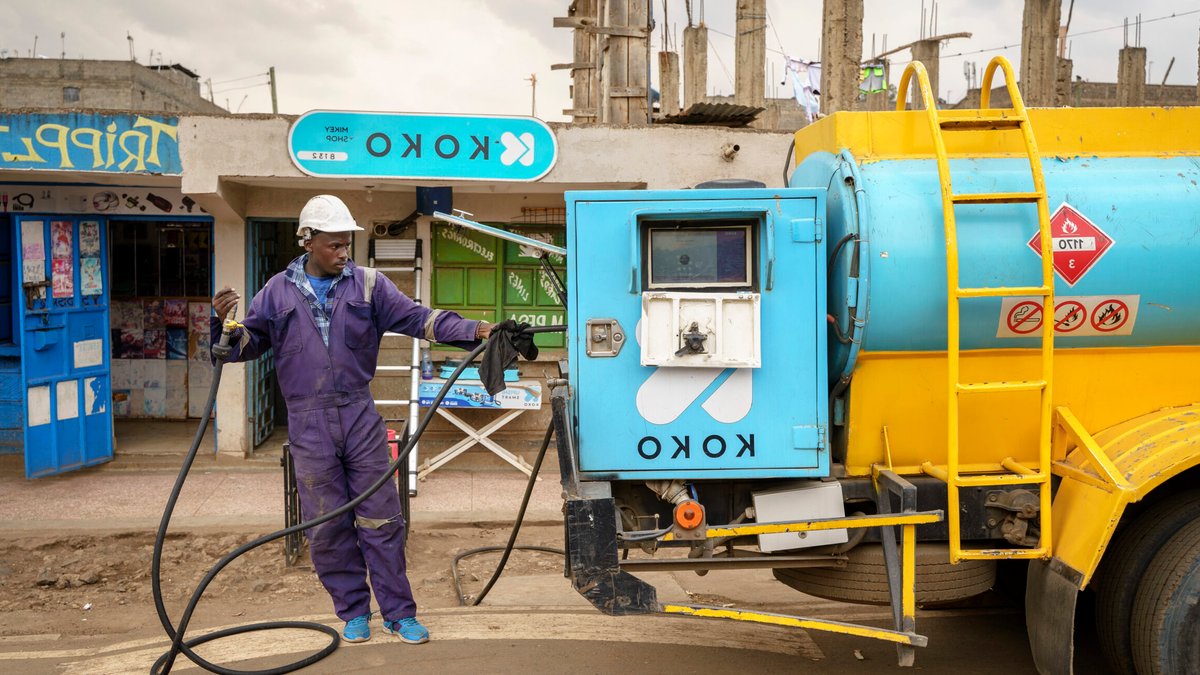
Koko Networks’ Carbon Credit Challenges Lead to Administration
After operating a clean-cooking business in Kenya, Koko Networks was placed under administration in February following a cash shortage. PwC, a global consulting firm, was appointed as the Kenyan administrator, and the business was put up for sale in July, though no buyer has emerged. The British arm of the company later reported its inability to secure a buyer for its carbon credits at a significant price.
Carbon credits, certificates for emissions reductions, are sold to companies offsetting their emissions. Koko’s model relied on selling credits tied to replacing dirtier fuels with bioethanol, but it required Kenyan government authorization to access international markets. The government withheld this approval, limiting Koko’s ability to sell credits. Offers for the credits fell from $16 per tonne at the start of 2025 to $5 by December, weakening its financial position.
Koko owes approximately $60 million to FirstRand Bank, its largest creditor, with additional claims totaling $167 million. The UK arm lacks sufficient funds to cover its wind-down costs, estimated at $1.19 million, and administrators are funded by about $659,000 from creditors.


