
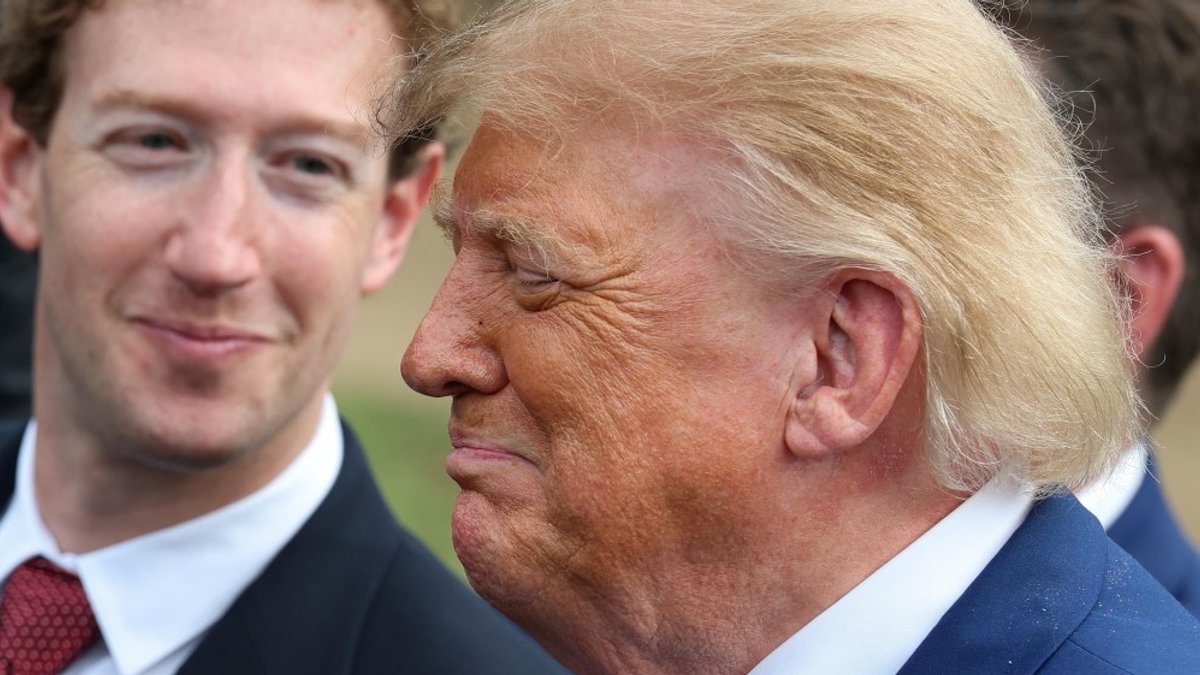
President Donald Trump hosted a dinner with Big Tech leaders on Tuesday and used the event to discuss his administration’s new approach to artificial intelligence. During the gathering, Trump addressed previous claims that fears over AI safety were a “hoax” cooked up by Democrats.
Industry leaders sign self-regulation pledge
The executives in attendance included Sundar Pichai of Google, Dario Amodei of Anthropic, Mark Zuckerberg of Meta, Greg Brockman of OpenAI, Elon Musk of XAI, and Jensen Huang of Nvidia. These tech leaders signed the Joint Commitment on Frontier Responsibilities, a “morally binding” safety pledge. The agreement requires the companies to self-regulate their own AI technology using common sense guidelines.
During a press conference following the meeting, the executives praised the self-policing plan as a step forward for the industry. They described the accord as a way to build public trust and create jobs. Jensen Huang, the CEO of Nvidia, highlighted the scale of the infrastructure buildout, noting it is creating a million jobs in the United States. He stated that there is “no conflict between innovation, technology, and safety” and emphasized that the industry is moving forward together.
The participants emphasized that the technology could drive economic growth and scientific discovery. Mark Zuckerberg said the accord gives customers confidence that the technology works as intended. Greg Brockman argued that President Trump’s leadership helped the industry come together to move forward safely. Sundar Pichai, who Trump introduced as a “monster” that “nobody knows,” agreed that the moment is historic. Pichai said the industry must address risks and put out products safely, adding that he is proud to be part of the effort.
Read Also: OpenAI Delays IPO Until AI Models Are Safe
Elon Musk used the opportunity to discuss the potential for an “age of abundance.” He suggested that with robots and super intelligence, everyone in the world could eventually have better medical care than he does. When a journalist questioned whether this applies to people without jobs, Musk replied that jobs have always changed and that roles will evolve over time. Dario Amodei echoed the sentiment that AI has incredible benefits but also real risks. He stated that the industry must work together to ensure they can “win safely” while addressing those risks.
Industry Leaders Discuss Benefits and Risks of AI
They emphasized the extraordinary benefits the accord provides to customers. They agreed that the technology creates jobs and supports growth. They argued that there is no conflict between innovation and safety. They stated that the industry is moving forward together to advance capabilities.
Pichai defends the technology against Trump’s introduction
Sundar Pichai addressed the awkward introduction by President Trump. The President described him as a “monster” and said nobody knows him. Pichai laughed off the comment. He focused on the historic nature of the meeting. He mentioned the extraordinary benefits of the technology. He noted the GDP growth it creates. He said the industry must address risks. He said the President asked them to step up. He said they want to put out products safely.
Executives discuss the future of work and safety
Elon Musk discussed the potential for an age of abundance. He said super intelligence could lead to universal high income. He said everyone could have better medical care. He said robots and super intelligence make this possible. He said people would have better care than him. A journalist asked about people without jobs. Musk said jobs always change. He said being a computer used to be a job. He said people do not want to do calculations all day.


