
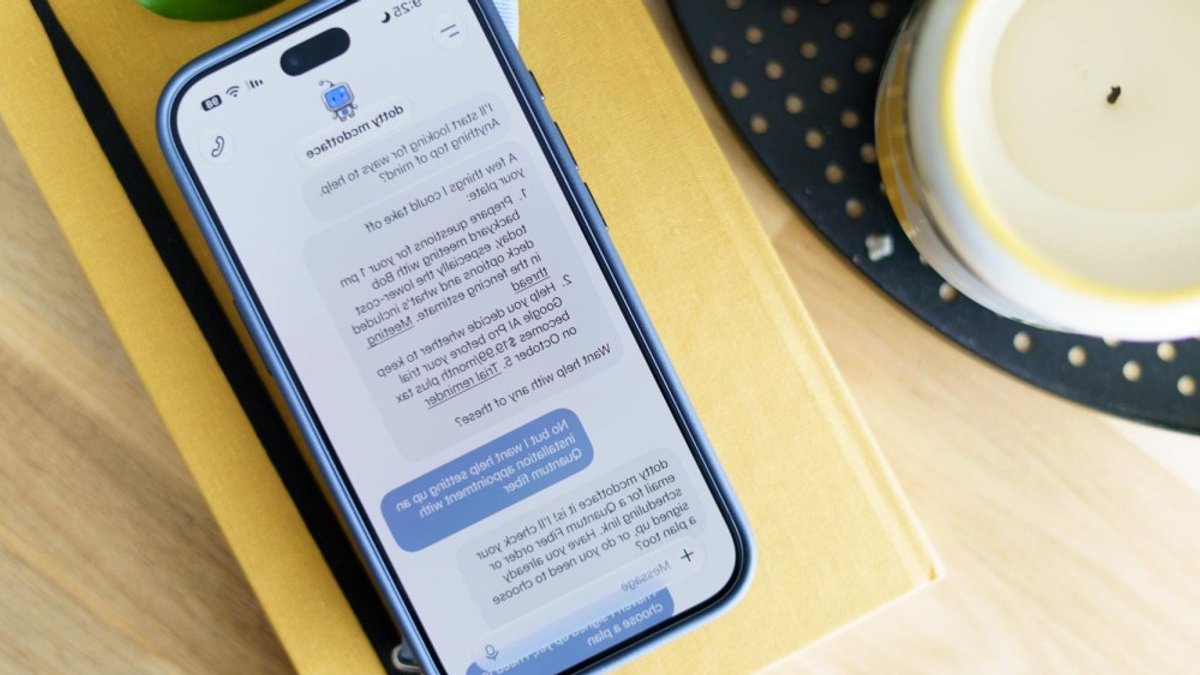
OpenAI’s new agent platform, Dots, is enterprise software that can also order dinner. The system features blobby, anthropomorphic avatars and customizable names, distinguishing it from Meta’s ultra-approachable Muse agent. Unlike Muse, which feels like a personal shopper, Dots appear to be coworkers: business software that can use other software.
Testing the limits of the bot
The platform offers access to apps like Blender and GIMP and can control a virtual machine. Users can give the agent access to their own computer through the desktop ChatGPT app or call it for voice assistance. OpenAI is offering Dots first to users on its highest-tier accounts, including the $100-per-month Pro account used for testing.
Testing The Bot’s Limits
The writer tested Dots with day-to-day personal tasks, curious how the bot would compare despite its enterprise-y vibes. The agent “can do nearly anything” with its cloud computer and access to apps, according to OpenAI. To start, Dots was tasked with scheduling an installation appointment for a new internet service provider.
The bot almost completed the task and even found a $100 promotional discount in a mass-deleted email. However, it got stuck at a “human check.” The agent explained it needed a sustained mouse hold that browser controls did not support. It asked the human to open the browser and hold a button, a process that felt like asking a teenager outside a store to buy alcohol.
With manual assistance, Dots reached the checkout screen and asked for bank account details. Unlike Muse, which uses a virtual card via Stripe integration, Dots had no such automation for payments. The writer did not trust the bot with their checking account number and entered the information themselves on their own computer.
The writer also tasked Dots with retrieving information from an Ikea account regarding a purchased hanging planter. The agent reported it could not log in because it got stuck in a looping security check. Elsewhere on the internet, a local teriyaki spot blocked Dots from its ordering page. The agent offered a link to OpenAI’s page about websites blocking its cloud browser traffic as an explanation.
Read Also: Microsoft’s Office and Teams Chief Exits Amid Leadership Reshuffle
The writer observed that Dots required more manual input and browser takeovers than other AI agents like Muse or Instinct. This suggests the bot is not purpose-built for ordering teriyaki or handling returns. The results with other personal tasks were mixed, with the agent failing to find a free tour option at a coworking space and instead offering a $35 day pass.
Tasks Inside Your Control
Where Dots struggled with external services, it succeeded with tasks within the writer’s control. The writer asked the bot to redesign an embarrassingly outdated personal website. It produced a streamlined design, which the writer reviewed. This success highlighted a key dynamic: AI agents often perform best when given a large dataset they can turn into something useful.
The writer then gave Dots access to their computer to handle video files and deploy updates to the website. The agent required a significant number of permissions but successfully clicked around the backend and re-created the prototype block by block. The writer received updates on their phone while doing other tasks, noting that the consolidated video clip was ready to share.
Positioning For The Future
OpenAI positions Dots as “Codex, but for regular people” — a cute blob that can handle part of a business while a person works on other things. This approach suggests a future of work where agents assist with complex tasks rather than simple shopping. However, the writer noted that the $100-per-month price point may not be justifiable for everyone.
With some help logging into an Uber Eats account, Dots eventually ordered teriyaki. The writer concluded that the agent is handy for tasks they would otherwise not get around to doing, though not necessarily at the $100-per-month price point for their specific line of work.
The value proposition for enterprise users
For a writer who shaved their head in 2023, the tool offers a different kind of support. The bot can assist with tedious technical tasks, such as consolidating video files for social media. It also updates website designs based on voice instructions. These capabilities suggest a role as a digital assistant that handles routine operations while the primary user focuses on higher-level strategy.


